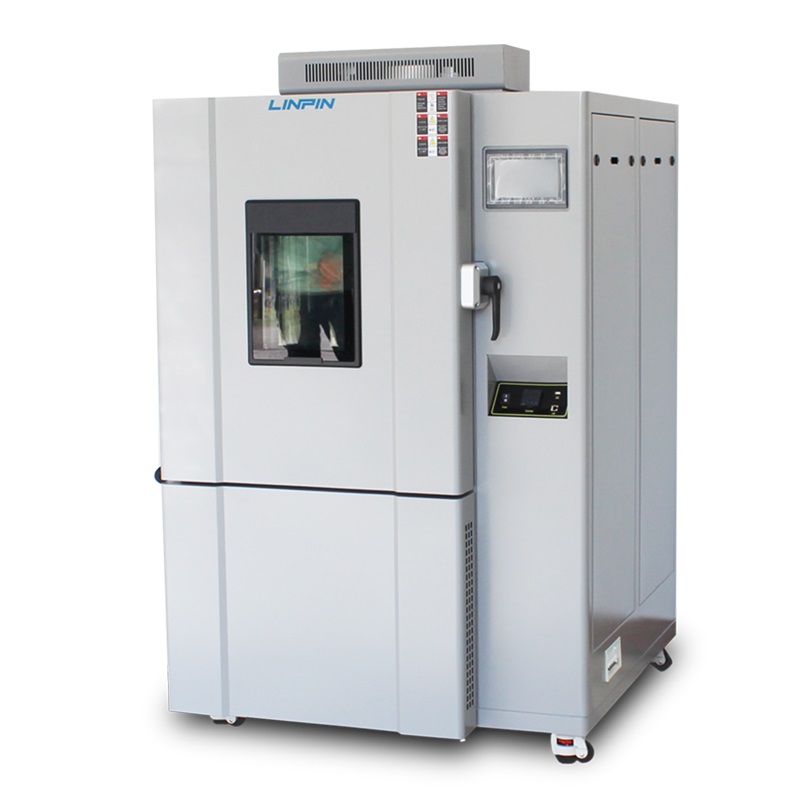
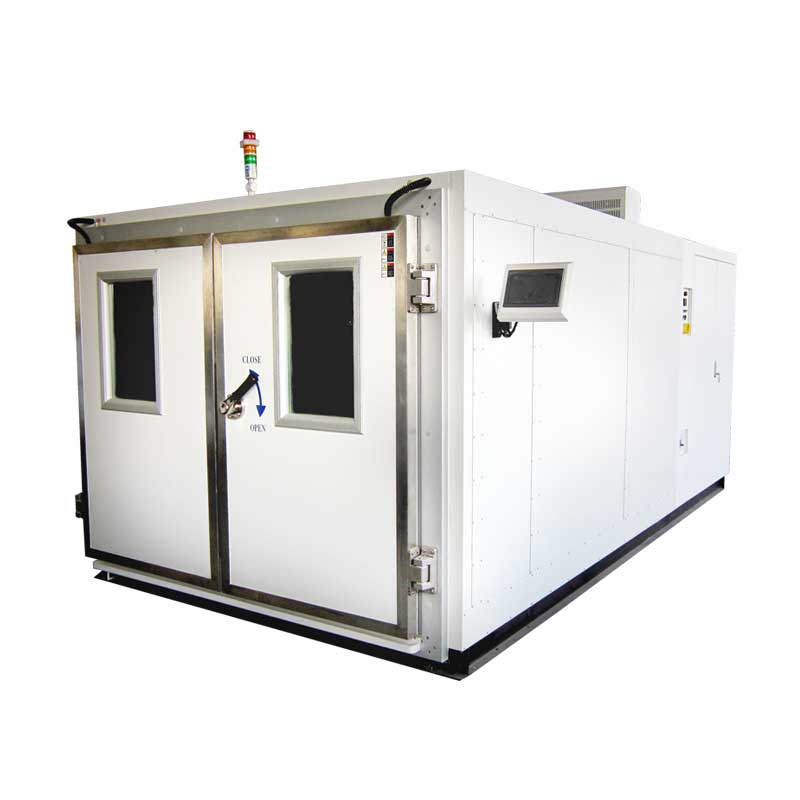
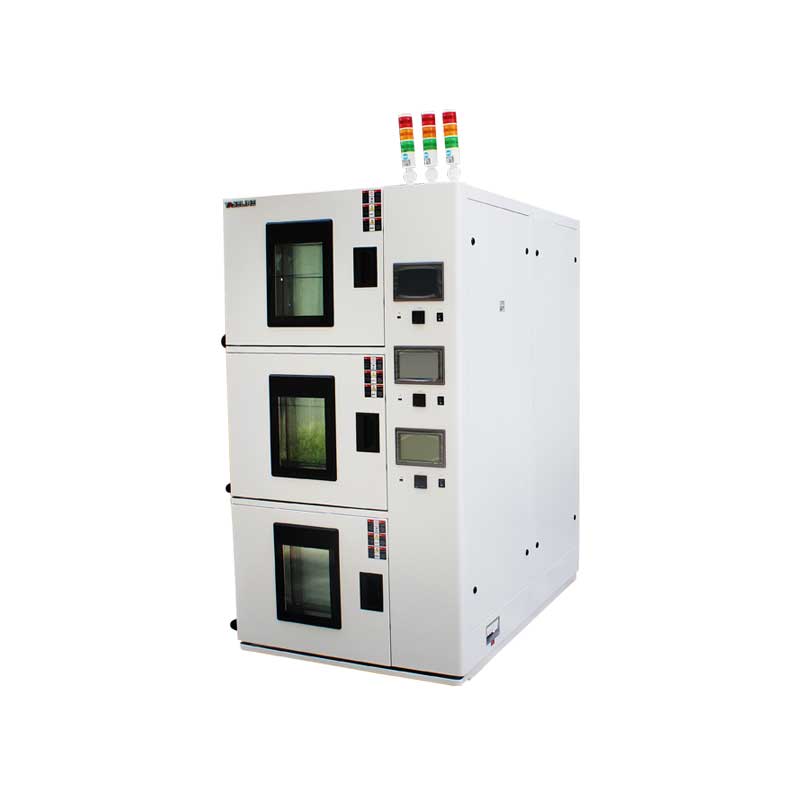
In environmental reliability testing, the humidity control accuracy of a
temperature and humidity alternating test chamber is critical. It directly determines the authenticity of key verification results such as product weather resistance and quality consistency.
In daily operation, many users encounter common issues: displayed humidity deviates from the set value, abnormal humidity fluctuations, or failure to reach the target humidity steadily. Before resorting to complex technical support, check one easily overlooked yet essential consumable first — the special gauze wrapped around the humidity (wet-bulb) sensor.
Why Does a Small Piece of Gauze Affect Overall Humidity Accuracy?
Most test chambers measure humidity via the wet-and-dry bulb method. The temperature sensing end of the wet bulb is wrapped with a layer of clean dedicated gauze, with its lower end immersed in distilled water. Water evaporation lowers the wet-bulb temperature, and the ambient relative humidity is calculated by comparing wet-bulb and dry-bulb temperatures. The gauze acts as a core capillary channel and evaporation medium.
Once the gauze is overused, hardened, contaminated, or improperly installed, its water absorption and evaporation performance drop significantly. This causes inaccurate wet-bulb temperature readings, sending faulty humidity signals to the control system. Typical symptoms include persistently high/low humidity, slow response, or unstable humidity regulation. In most cases, this is not equipment failure, but a routine maintenance issue.
Timely Gauze Replacement: A Simple Step to Secure Reliable Test Data
Neglecting the condition of the wet-bulb gauze can render precise temperature and humidity cycling tests meaningless, and even lead to misjudgment of product quality risks. Regular inspection and replacement of the gauze are fundamental to maintaining accurate and stable humidity conditions inside the chamber.
Standard Operation Guidelines
-
Replacement Cycle
Under normal operating conditions (non-extreme high temperature/humidity or non-corrosive environments), replace the gauze at least once per quarter. For frequent use or harsh working conditions, shorten the cycle to once a month or less, and inspect its moisture and cleanliness daily.
-
Qualified Material Selection
Always use original factory-supplied or specification-matched wet-bulb gauze. Non-specialized gauze with unqualified weave, thickness and water absorption will directly reduce evaporation efficiency and measurement accuracy.
-
Standard Installation
Replace the gauze with clean hands. Wrap it tightly and evenly around the wet-bulb sensor, extending about 20 mm beyond the temperature sensing section. Ensure the bottom of the gauze is fully immersed in the distilled water tank and does not touch any other components.
-
Qualified Water Source
Only use pure distilled or deionized water for the wet-bulb system. Tap water or mineral water is strictly prohibited, as mineral deposits will clog the capillary pores of the gauze and contaminate the water tank.
Professional Tip
If humidity readings remain abnormal after replacing the gauze and following standard procedures, arrange for professional technicians to inspect and calibrate the sensor, water circuit system or control unit.
Temperature and humidity alternating test chambers serve as a solid line of defense for quality control. Their humidity accuracy starts with standardized management of basic consumables like wet-bulb gauze. Establish and follow a scientific preventive maintenance schedule, and replace the gauze regularly. This is a practical way to ensure accurate test data and improve overall laboratory efficiency. Never let a small consumable become a hidden weakness in your reliability engineering.